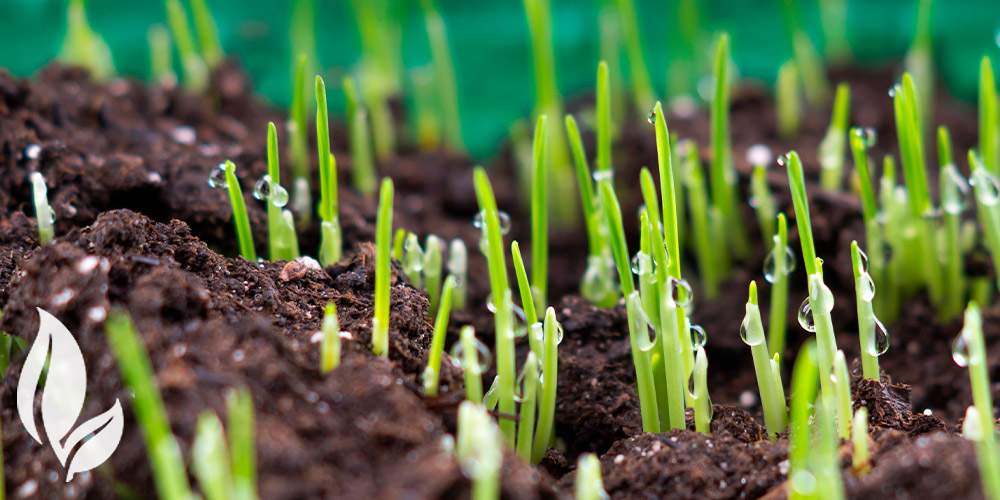
The birds are singing and the bees are buzzing, which can only mean one thing: it’s finally time to get your backyard back in gear! Trust us; a clean, green lawn is one of the best ways to take the stress off of hosting drinks on the deck or those backyard BBQs. However, before you start running for your lawnmower, take a quick second to consider some of the other to-do’s that come with proper lawn care. While lawns seem to get a bad rap, a healthy lawn will filter and capture runoff, prevent soil erosion, reduce heat, improve air quality, absorb noise, absorb CO2, support biodiversity (both plant and animal life) and provide a great place to relax and play! This handy spring cleaning guide will walk you through everything you’ll need to get done this spring to get your lawn in tip-top shape!
How Do I Start Spring Cleaning in My Ontario Backyard?
Before you even start your spring cleaning this year, make sure you’ve given your lawn a chance to wake up! Once the snow has melted, give hibernating critters—like ladybugs and other beneficial insects—time to get going. Once you’ve given everyone a chance to stretch and get out of bed, here’s what to do next:

Rake / Dethatch
The very first thing you’ll want to do as a part of your lawn’s spring cleaning schedule is to rake and dethatch it. Thatch is that dead turfgrass from last year, and anything thicker than ½” can stop new grass from growing properly. This is also a great time to get rid of any dead leaves from last year, too, to ensure you start spring off right with a fresh, clear lawn!
Aerate
While spring isn’t always the best time to aerate your lawn, thanks mainly to weed germination, you may need to include it in your spring cleaning routine if your soil’s become too compacted or water isn’t penetrating properly, especially in high-traffic areas. The little holes aeration leaves behind will allow water and air deep into the soil and your grasses roots, boosting their growth.
Check your soil’s pH
Ensuring your soil is at the right pH level is crucial for healthy grass growth and maintenance. When spring cleaning, do a soil test to make sure your pH level is sitting somewhere between 6 and 7. If it’s sitting outside that threshold, try adding soil amendments to guide your lawn’s pH level back into place and reduce the risk of moss growth.

Overseed
Spring is the time to clean up any dog urine patches or other areas in need of a bit of TLC after the winter. Scatter grass seed over bare patches and your existing lawn to keep it looking thick, healthy, and clean. When overseeding as a part of your spring cleaning, make sure you use a slow-release nitrogen fertilizer and keep the ground moist while your new seeds germinate, watering two times daily for the first two weeks.
Mow
Getting the lawnmower out is the best part of spring cleaning! Before you get to cutting, though, make sure you clean your lawnmower’s blades if you didn’t before winter, and remove any dead grass or debris. It’s also a good spring cleaning practice to get your mower tuned at the start of the season and to sharpen its blades before the first use to avoid tearing your grass. On the first spring cut, mow your lawn at 2 inches, then cut at 3 inches for all subsequent cuttings. We also recommend leaving your grass clippings where they fall instead of bagging them, as doing so adds about 30% nitrogen back into the soil. The only exception is if weather conditions are overly wet, in which case you’ll want to remove the saturated clippings to avoid smothering new growth.
Fertilize
Apply a slow-release mineral fertilizer during your spring cleaning to stimulate root systems during active growth. For an extra boost of fertilizer, consider also adding some micro clover to your lawn this spring. Micro clover pulls nitrogen from the air and puts it back into the soil. It’s also super cute!
Water
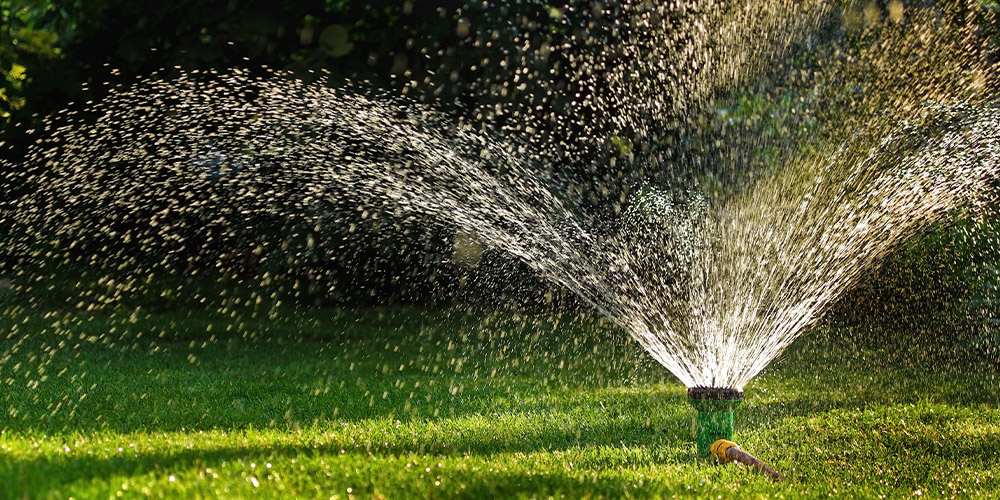
We all want those picture-perfect lush green lawns bedazzling our Ontario landscapes, but watering too often can lead to unwanted problems. Lawns can typically handle dry weather and usually just go dormant during hotter summer weather, meaning your lawn may turn brown without rainfall but will soon recover when conditions stabilize. Here are some tips for watering the right way to keep your grass happy:
- Water in the morning, ideally before 10 am
- Water about 2.5 cm per week
- Don’t overwater! If water is running off the grass, you’re overdoing it. Overwatered grass can quickly become a breeding ground for moss, weeds, and other pests.
- Water grass in sunny areas more frequently than grass covered by shade.
Spring cleaning in Ontario can often seem like a daunting undertaking, but we know this guide will get you on your way to proper lawn care all season long. If we’ve left you hanging, though, drop by the garden centre today. We’re always happy to chat about lawn care and are more than eager to help you find the right supplies for your unique landscaping needs!
The fresh growth of spring means the return of the #NoMowMay campaign encouraging homeowners to let their grass grow longer to help insect pollinators. For more information on this topic, please read here.