Cottage gardens aren’t just for the English countryside anymore! When done right, a cottage garden can be something out of a fairy tale, a little slice of magic amidst our hectic modern lives. If you want to design a cottage garden of your own this summer, but don’t know where to start, don’t worry: we’ve got all the info you need to create a low-maintenance retreat that practically tends to itself!
Low Maintenance Cottage Garden Ideas for Ontario Landscapes
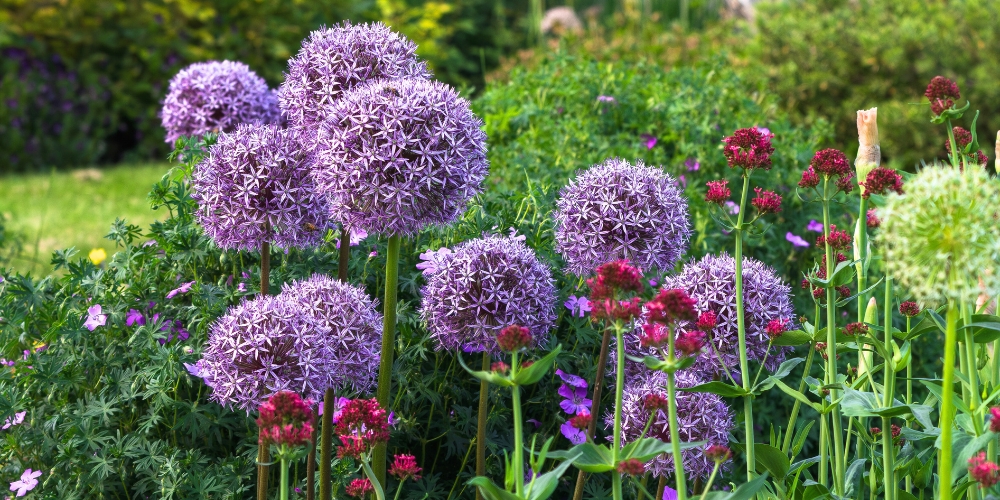
Cottage gardens have a special place in the hearts of many gardeners and are brimming with a wildness not often seen in more urban areas. Cottage garden designs are known for spilling over with abundant growth and their sense of organic fluidity that typically tends to itself. Naturally low-maintenance by design, here are a few factors you’ll want to consider when designing your own:

Select Cottage Plants
What exactly goes into a cottage garden? Good question! Traditionally, cottage gardens were designed as practical spaces where people could grow as much together as possible to maximize space. This meant planting flowers, herbs, and veggies together in one giant ramble that enveloped every inch of the garden. Some staple cottage garden plants include:
- Foxgloves
- Larkspur
- Sweet pea
- Dianthus
- Lupine
- Wisteria
- Hydrangea
- Daisy
- Cosmos
- Rosemary
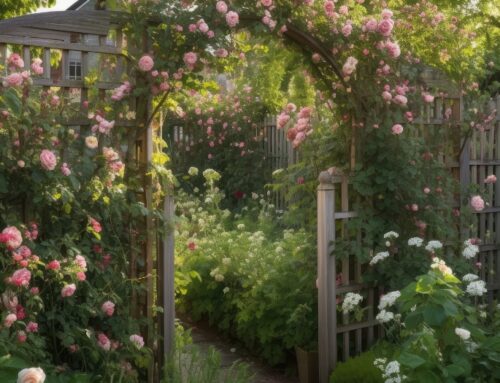
Of course, roses are always a must for any low-maintenance cottage garden, and climbing plants that tangle themselves up and around taller stems are also fantastic for making a dramatic statement. Use larger growers—like lupins, foxgloves, ornamental grasses, and cosmos for height and stability in your garden, allowing them to draw the eye of passersby.
Add Native Plants
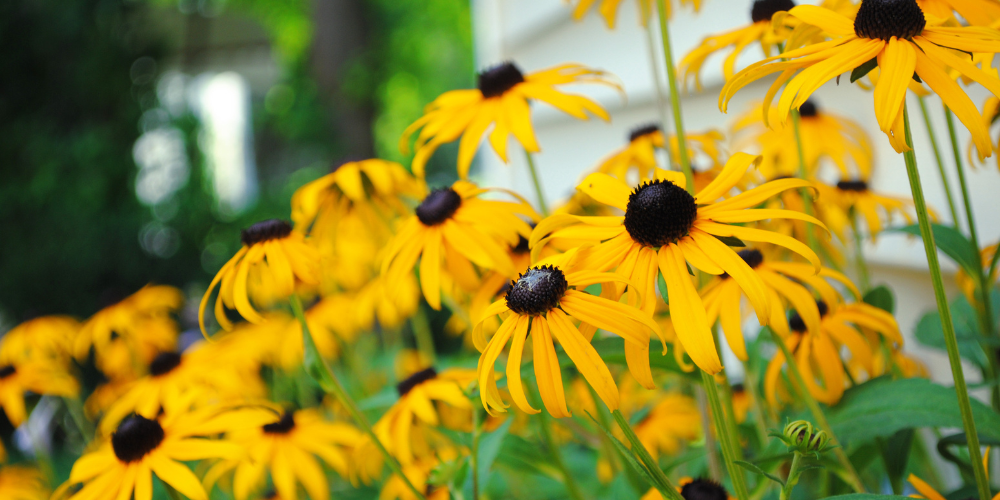
It’s crucial to include native plants when designing your cottage garden. Try some Ontario natives like bee balm, asters, black-eyed Susan’s, and false blue indigos for superior pollination and wild beauty. Planting perennials that attract local pollinators is a sure way to ensure your crops get the love they deserve!
Consider Edibles
Cottage gardens are meant to be as practical as they are beautiful, which means making some room for your favourite edibles. Historically, you would find crops like kale, cabbage, beans, onions, peas, and even cabbage working alongside seasonal perennials for a winning combination.
Add Barriers
We know cottage gardens are supposed to be wild and free, but it’s also great to add some fencing or gate around your garden for a traditional look. Original cottage gardens made use of the classic white picket fence to keep livestock out, but today, they create an incredibly effective visual ending to the often sprawling nature of a cottage garden design. Using walls or hedges can also accomplish the same look and add privacy for your rest and repose.
Add Structure
The structure of a cottage garden comes down to elements that will help it reach its abundant potential. Add structural pieces like trellises, arches, twig fences, and anything else a plant could use to climb and clamber upon. You’ll be surprised at just how fast your backyard will transform into a peaceful hideaway you’ll be able to enjoy all summer long. Feel free to also add a few decorative touches, like large concrete planters, sundials, statuary, and bird baths, for even more cottage charm.
Make Some Paths
While cottage gardens are great places to escape from the outside world, you don’t want to get completely lost in them, so try weaving a couple of gravel paths into your design to give it a playful, adventurous feel! Pathways also give you easier access to your plants and flowers for deadheading and other minor maintenance and groundskeeping activities.

Put Out Some Seating
You’ll want to enjoy your finished garden space, so arrange some chairs and benches where you’ll get the best views. Keep your furniture light and moveable so you can easily move them around in accordance with seasonal weather changes.
Relinquish Control
One of the biggest rules of creating a low-maintenance cottage garden is to give up control to nature and let things play out organically. Even though you can plan some elements of spacing, plant types, heights and growth patterns, the best way to let a cottage garden grow is by leaving it alone—the way nature intended.
Creating a low-maintenance cottage garden is the perfect way to celebrate our native Ontario flora and fauna and give back to our local pollinators and wildlife. Many animals, insects, and birds depend on biodiverse gardens that offer food, shelter, and safe places to nest year-round. Swing by one of our locations today to learn more about the cottage garden style and to get stocked up on everything you’ll need to get started!