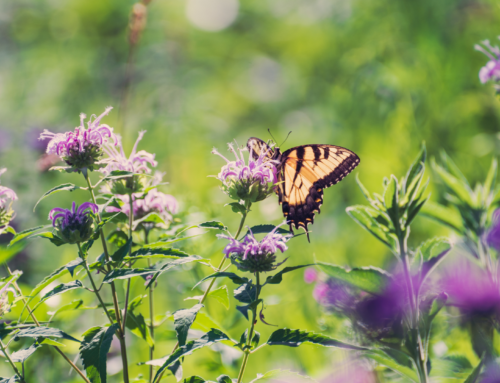
Annuals come in various bright colours and textures and can elevate your landscape! Upkeeping their vibrancy and blooms will make your landscape look great for the summer season, especially when you’re lounging on the patio all summer. It doesn’t take much effort to ensure your annuals stay visually appealing and, more importantly, maintain their health for the entire summer season! In this article, we’ll cover the essential summer maintenance tips, including instructions on fertilizing, deadheading, and watering your gorgeous annuals so that they thrive until the frost.
 Fertilizing Annuals
Why fertilize annuals? The two main reasons for fertilizing annuals are to promote growth and generate well-performing, attractive plants that produce many blooms. Beware: over-fertilizing is an easy temptation when you want your annuals to bloom fast; however, over-fertilizing an annual plant can disrupt its bloom time and cause leggy growth. Always follow the instructions when fertilizing your plants, and if you notice yellowed edges of the leaves, scale it back a bit.
There are two general types of fertilizer:
- Granular Fertilizers: These are great for garden beds and container gardens. You can add the fertilizer when you plant, which releases portions of nutrients every time you water to keep your annuals fresh.
- Liquid Fertilizer – If you like to feed your plants more frequently, you can liquid feed them with a liquid fertilizer every week or two or as needed for container flower gardens. Remember that liquid fertilizer will leach from the soil more quickly because of the drainage hole.
 Deadheading
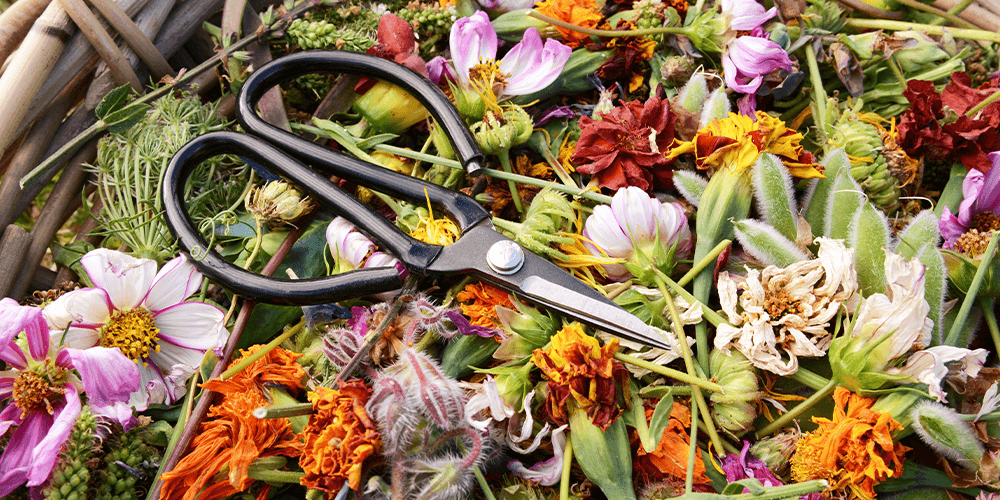
Many summer annuals will bloom during the growing season if you reguarly deadhead. Deadheading is the process of clipping off spent (dead) blooms. Your plant will be able to focus its energy on new blooms rather than trying to keep the dying ones alive, making this gardening method an excellent way to maintain the appearance of your summer annuals and promote their growth. Some flowers that react well to deadheading and continue to bloom are:
To deadhead summer annuals, you can pinch off the head if it’s a very thin stem. If you are deadheading annuals with thicker stems, you can use gardening pruners to cut underneath the head and above the leaves.
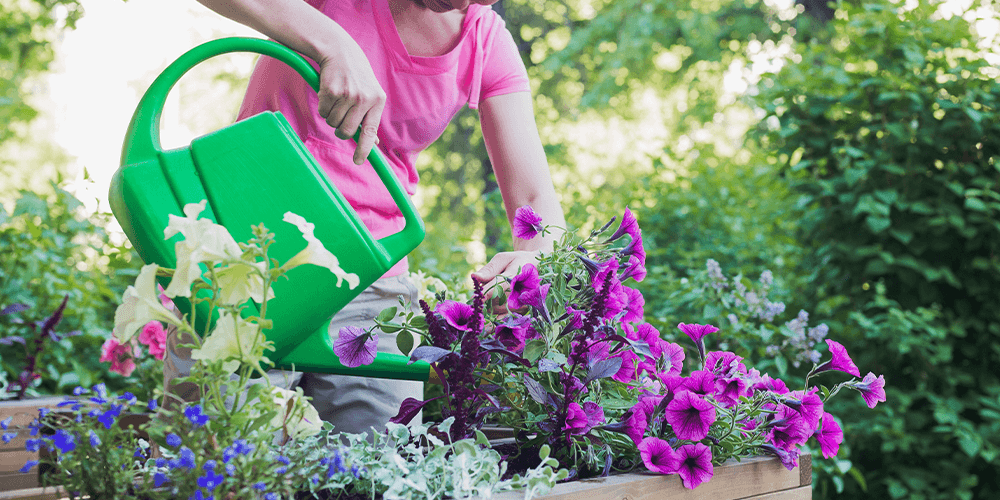 Watering Annuals in Containers
In the summer, plants that are not drought tolerant need frequent watering to survive. However, whether your summer annuals are planted in a container or in the ground, the watering frequency will differ. Containers have significantly less soil to retain water, so they’ll dry out faster depending on the heat, wind, and how thirsty your plants are. You may need to water your annuals twice daily during heat waves to keep them hydrated. They have shallow root systems, so moisture is key! An easy method is to inspect the top inch of soil: if it’s damp, there’s no need to water. If it’s dry, it’s time to water!
The best time to water is in the early morning because your plants will need time to absorb the moisture before it evaporates. Avoid watering annuals in the evening or before the sun goes down because the foliage will not have enough time to dry and may encourage mildew to grow on the moist foliage.
 Decorating with Annuals
Annuals are the perfect plants for filling in empty spaces in your yard and designing gorgeous summer containers with plants that your neighbours will appreciate as much as you. For example, pink is a classic garden colour, especially for summertime annuals! The best part about container plants is that if they aren’t getting enough sun or rain, you can easily move the container into better conditions for your plants!
If you want gorgeous plants for the summer season, visit Port Carling & Bala Garden Centres to buy annuals in your area! We are happy to assist you with any inquiries regarding annuals so they stay fresh all summer long.